









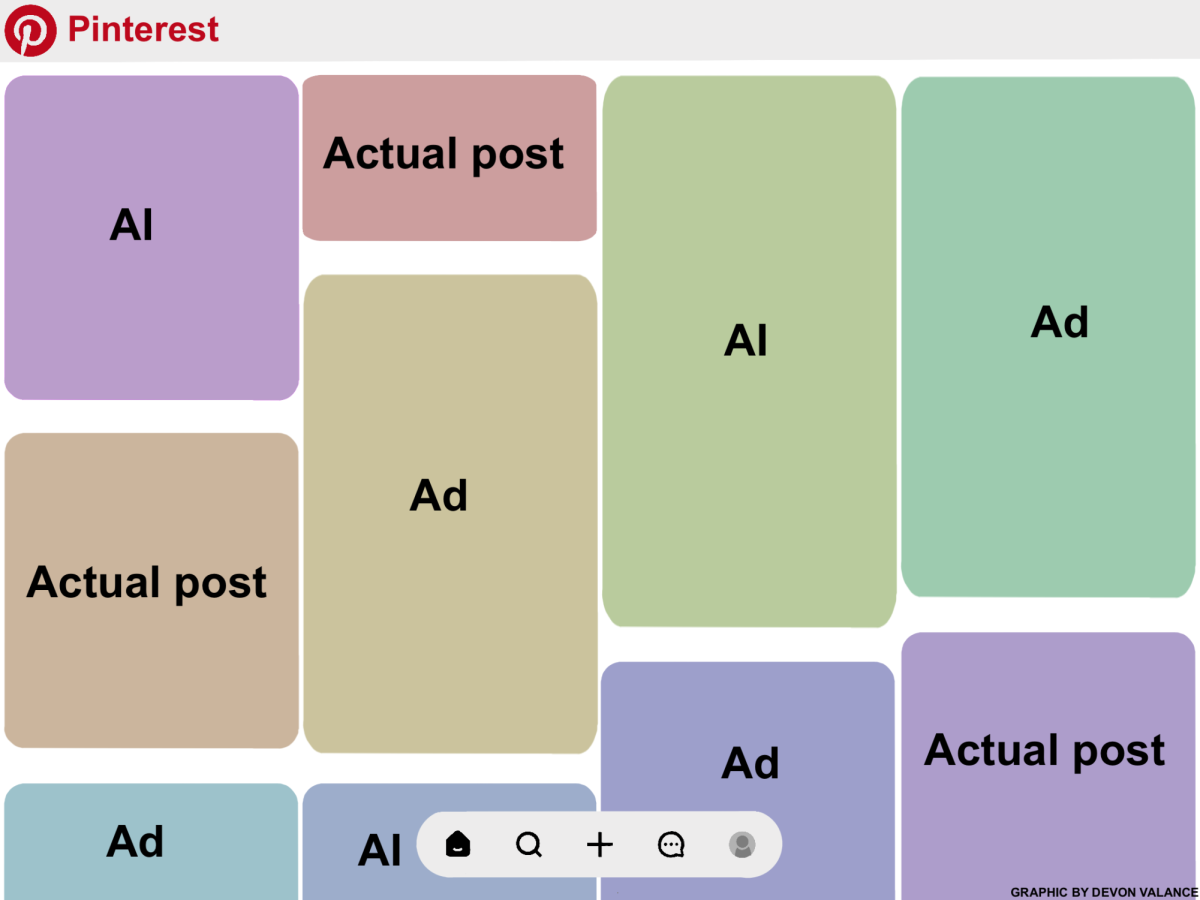
Nowadays, being online sucks. Images generated by artificial intelligence are taking over Pinterest, every other video on TikTok is an advertisement and Twitter, which used to function like the town square of the online space, is now X: an internet cesspool of misinformation and ragebait, featuring Elon Musk battling against his own AI bot. What was once a space for entertainment and connection has transformed into an unavoidable source of despair and annoyance.
The digital world has experienced a massive drop in quality, leaving no device–hosted activity unaffected. Social media, online shopping, streaming platforms, cable services and even workspaces and professional tools are no longer enjoyable or functional.
This shift in the internet landscape did not come out of nowhere. At the dawn of the AI age, when the first chatbots and assistants were released, excitement stirred at the possibility of efficiency and new information. However, the current environment consists of these “tools” invading every space. Generative AI is increasingly being used for content creation, like text, video, image and audio generation. People are becoming so dissatisfied with search engines outputting AI overviews which deliver incorrect information that they are turning to places such as Reddit and Quora for answers from actual humans. So many companies are sacrificing their credibility to alleviate investors’ fears of a lack of business expansion.
Many teachers are even using generative AI, unconcerned by its spread of misinformation, when a few years ago they were fearmongering against Wikipedia. ChatGPT, for example, when asked for sources for the information it gives, often makes up a fake URL or uses a real one that leads to a random website, according to lib.guides.umd.edu.
Even browsing for clothes on target.com leads patrons to find AI generated models showing off AI generated versions of their products. About 23% of advertisements during the Super Bowl were AI generated as well, accounting for 15 out of the 66, according to adweek.com. These ads were all rated in the bottom third by viewers, according to usatoday.com. Despite viewers’ dissatisfaction, many companies continue to implement AI tools and content, contributing to the degradation of the online space.
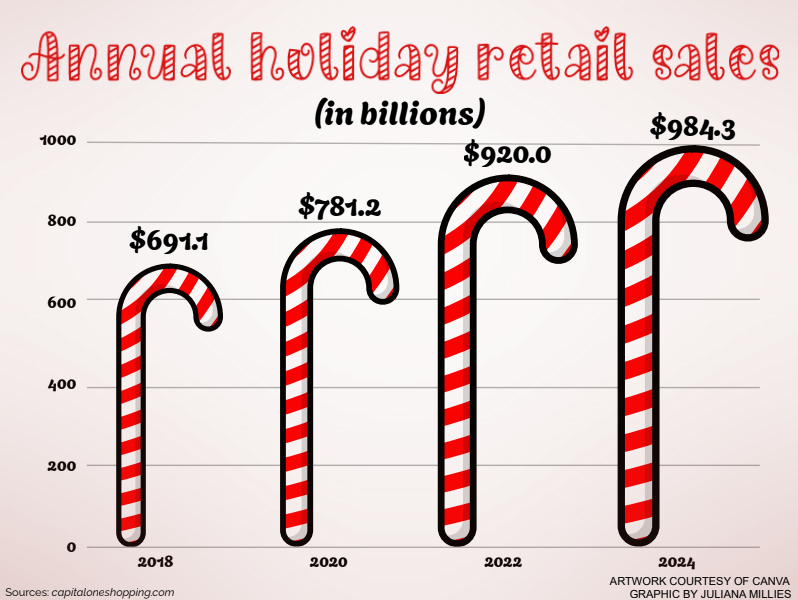
Advertisements are additionally inescapable. It is now rare to find a TikTok video that isn’t either sponsored or including a link to a TikTok Shop product. The amount of content that is a traditional ad, sponsored content or including an affiliate link to a product is roughly 30% as of 2023 — doubled in just three years from 15% in 2020 according to prdaily.com. Three more years later, today in 2026, one can only expect to experience a substantial and continuous increase.
Misinformation as well, whether unknowingly spread or intentionally created to generate engagement is constantly causing problems in the physical world where people push for things from a perspective formed by incorrect information.
“The alarm regarding the speculated relationship between misinformation and aberrant societal behaviors appears to be rooted in the increased opportunities through advancements in information technology for people to ‘go it alone’ — that is, establish their own ways of knowing that increases deviations from ground truths,” according to pmc.ncbi.nlm.nih.gov. When the common person decides to pioneer for their own truths amid their distrust of industries and experts, the biggest obstacle is a lack of resources such as accurate experiments, schooling and proper verification. Interacting with social media creates an environment and mental state prepped for distraction and relaxation. Therefore, one’s guard is down and therefore more susceptible to internalizing misinformation. No one is in the mood to cross reference with different sources when they hear a fun fact on Instagram. Social media has turned from an outlet for social connection to a network of people trying to push their values, narratives and opinions.
These problems don’t look like they’re going away any time soon. As long as these ads, misinformation and AI content continue getting interactions and gaining impressions, being online will continue to feel like watching a trainwreck. Resisting falling into the trap is the only way to prevent the degradation of not only the internet, but also one’s own mind and body.