

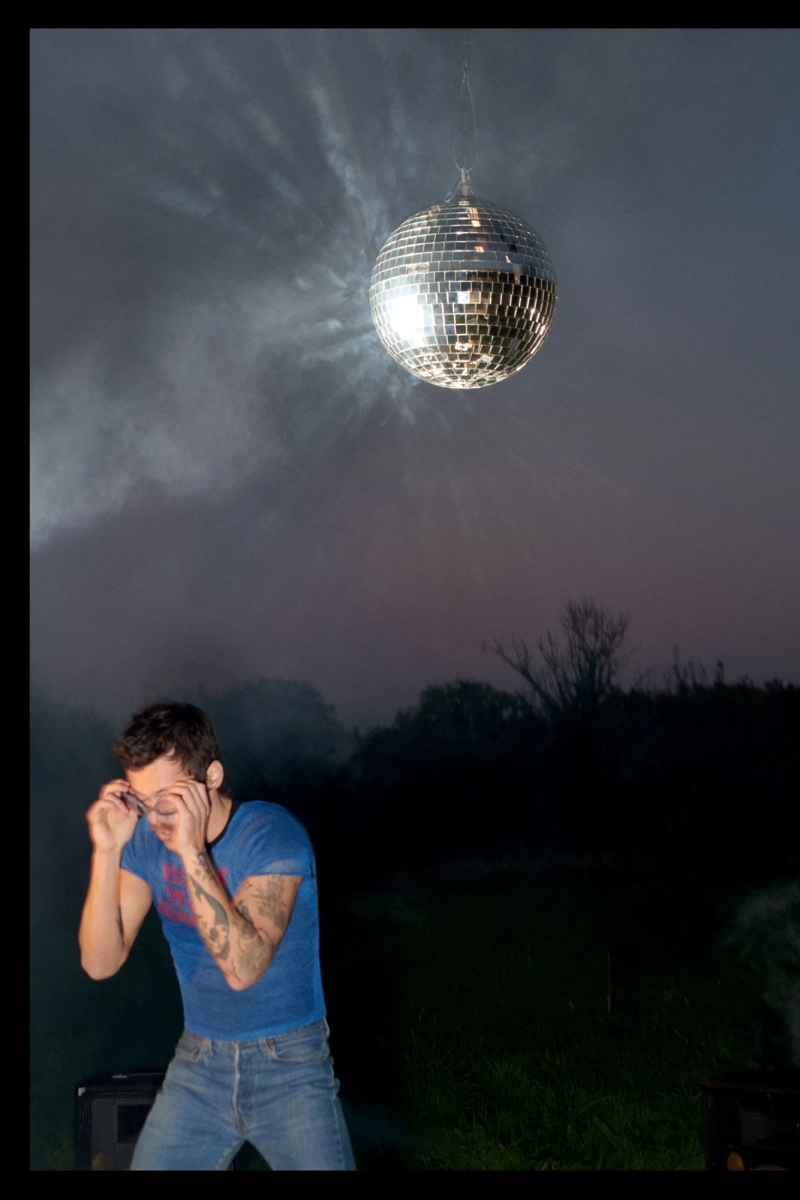


Amongst a sea of pop stars standing and cheering his name, Bad Bunny covered his eyes with his hand, just taking in the moment.
Bad Bunny made history on Feb. 1 as the first person to win album of the year at the Grammys with an entirely Spanish album and is expected to make even more headlines as the second Hispanic performer at the Super Bowl.
“We have a mixed culture and our whole society is based on immigrants who have come here and founded our country, and I think we can celebrate that,” said Charlotte Jones, a Dallas Cowboys chief brand officer, according to espn.com.
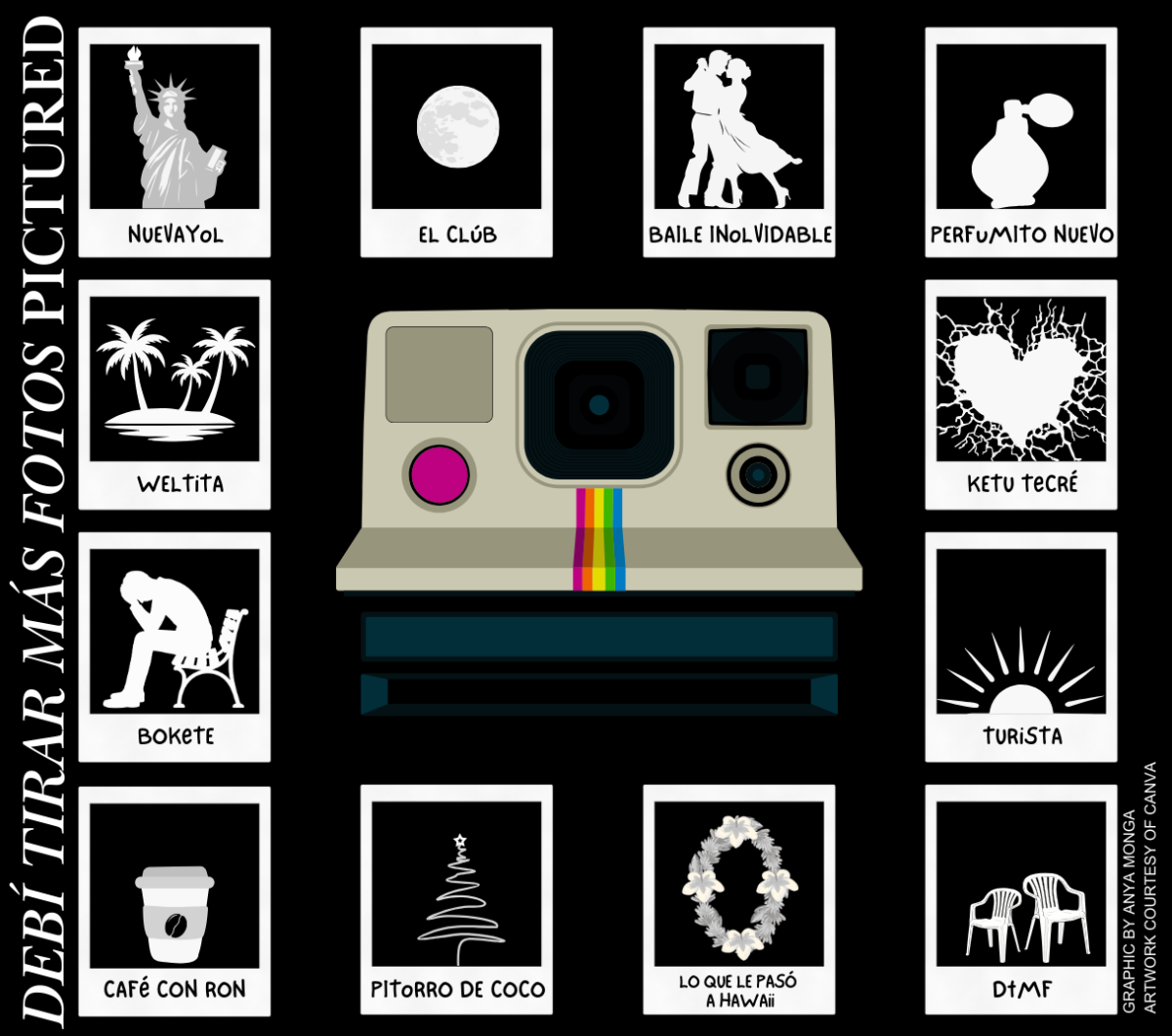
By choosing Bad Bunny to headline the halftime show at the Super Bowl, celebrating a mixed culture is exactly what the NFL is doing. The majority of the songs on Bad Bunny’s recent album, DeBÍ TiRAR MáS FOToS, are about loving his homeland, to the extent that NPR describes this album as “a defiant love letter to his home island of Puerto Rico.” Even in his acceptance speech for the album of the year award at the Grammys, Bad Bunny addressed his success as proof that Puerto Rico is much more than the “100 by 35” physical space it takes up.
“[Bad Bunny brings] a lot of heart [and] passion [to the music industry], and I think he’s definitely a fresh voice in showing Puerto Rican culture to the whole world,” said AP Spanish student Vanessa Zhou ‘26.
Although many of Bad Bunny’s songs are inspired by his community in Puerto Rico, his music is diverse, for every mood and person. In the album’s title track, Bad Bunny explores the bittersweet junction of both nostalgia and regret, sharing with the listener how he wished he had taken more photos to capture those memories with his loved ones. Some songs articulate similar themes of love, loss and classic human emotion, while others are more politically charged.
“There’s a song that’s actually political. It’s about what happened to Hawaii with all the tourists and how he doesn’t want that to happen to Puerto Rico,” said Bad Bunny fan Antonia Villabos ‘27.
The U.S. leg of the DtMF tour was cancelled because of political issues. Bad Bunny did not wish for any of the attendees to be persecuted by possible Immigration and Customs Enforcement agents waiting outside of the concert locations.
“Obviously, on a personal level, I’m upset,” said Villabos. “I don’t get to go to any of his concerts, but for the big worldview, it’s good that he did that because he brought attention to the issues that are going on here.”
While the tour’s cancellation was disappointing, fans of Bad Bunny are excited to experience his music on an American stage at the Super Bowl. For many individuals of the Hispanic community, his globally regarded songs make them and their culture feel seen.
“[BAILE INoLVIDABLE] has samples from a salsa song in it, a song that I personally grew up with, growing up in a Hispanic household,” said Villabos.
Much of the rhetoric as to why Bad Bunny is not an appropriate halftime performer is because many do not see him as “American” enough. Fans of Bad Bunny disagree, pointing to his music as a patriotic tale of love and appreciation for one’s community and the willingness to fight for it.
“I think he represents America well, I think his music is great and I think everyone should take a listen to it before they judge,” said Zhou.
Overall, the philosophy that makes up Bad Bunny’s music and guides his actions is one of love: for one’s nation, for one’s people and for one’s life. Because of that, every person can find a home in his music if they choose to.
“I know it’s tough not to hate on these days, and I was thinking sometimes we get [contaminated by that hate],” said Bad Bunny in his acceptance speech at the 2026 Grammys. “The only thing that is more powerful than hate is love. We need to be different. If we fight, we have to do it with love.”