

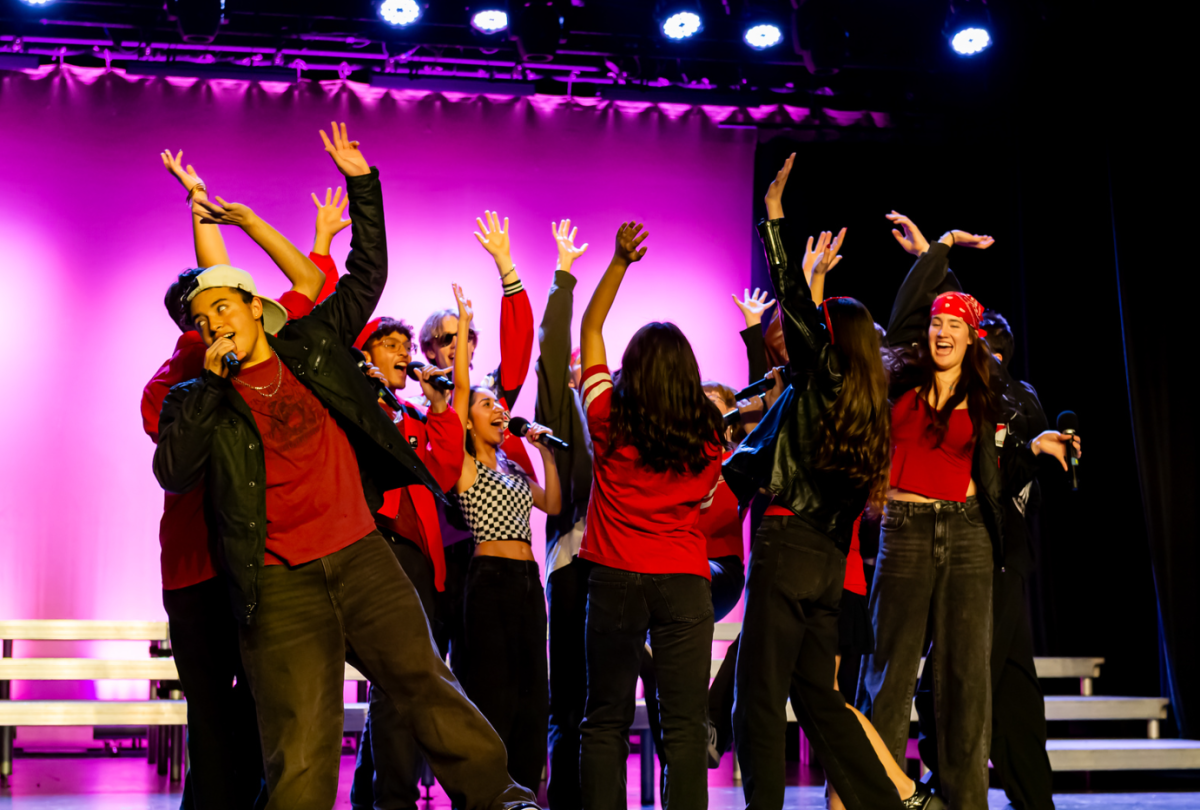

Concert: the very word seems to make the air crackle with excitement. When a popular artist goes on tour, people prepare to buy tickets like one might prepare to go to war. Particularly engaging clips of the shows seem to seep into all users’ For You pages across social media platforms at some point in time. In short: live music, it’s a big deal for some.
Recent hit sensations like Benson Boone, Laufey, Sabrina Carpenter, Tate McRae and Chappell Roan joined long–time artists with cult followings like Coldplay, Beyoncé, Metallica and Shakira on the road, touring across the world in 2025, according to hitsdailydouble.com. While the live popular music scene seems to be thriving, the concert experience doesn’t always match the hype — namely because of a recent rise in poor concert etiquette.
Evidently, concert etiquette is on the decline, disrupting the magic of the live music experience for audience and artist alike.
From concert–goers’ perspectives, actions by fellow audience members such as recording concerts on phones, holding up massive signs, and even simply yelling while the performing artist is speaking have led to frustrating visual and auditory disruptions. In the case of recording and holding signs, both actions often block others’ views. Some concert–goers have taken to holding their phones or signs high to capture the best possible angle — which is too often in the line of sight of other audience members who may not appreciate such. Such actions prompted criticism across social media; one example is Rolling Stone’s concert etiquette guide that explicitly spelled out these unspoken rules of holding signs “at chest level” or holding it high “briefly so [others] do not miss the moment,” according to rollingstone.com.
However, improper sign displays aren’t the only behaviors so egregious to warrant top–down guidance; in recent years, filming or being on one’s phone during a concert has also triggered similar responses from the performing artists themselves. Even worldwide sensations in the likes of Bruno Mars, Jack White and Ghost have implemented policies where phones must be stored in lockable pouches, according to phonelocker.com. Other artists, including Green Day, Sabrina Carpenter and Billie Eilish, have also taken a stance by speaking out against being on phones during their concerts, according to bbc.com and nme.com. On the whole, these actions take away from the experience of the concert, both for the culprits and for those around them.
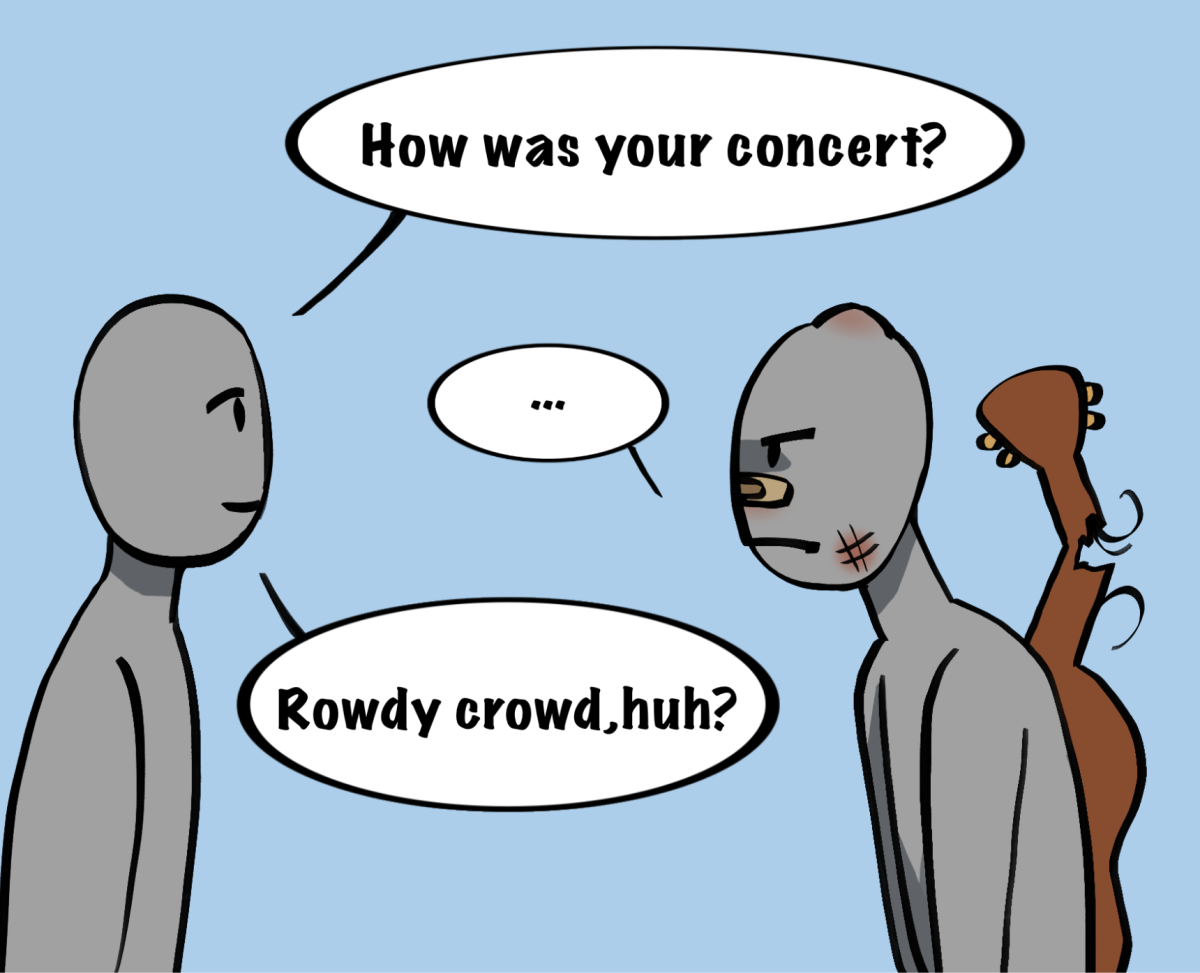
Yet, more disturbingly, concert etiquette has recently begun to evolve beyond relatively trivial frustrations — in some cases, bad etiquette has evolved into assault of the artists themselves. In 2023, global star Harry Styles was hit by an object thrown by an audience member, according to npr.com. The same year, a fan threw their mother’s ashes onto the stage while singer P!NK performed. Drake was hit by a flying projectile phone onstage. These are a handful of the most high–profile incidents of fans interrupting concerts through inappropriate interactions with the performers, and it is not nearly an all–encompassing list. These cases of assault appear to be on the rise following the COVID–19 pandemic lockdown, leading to Internet pop culture lecturer Dr. Lucy Bennett to observe that “something is changing more recently and we’re seeing more isolated, disruptive, individual physical acts, according to Dr. Bennett’s interview with bbc.com.
This phenomenon clearly reflects a broader erosion of concert etiquette; the normalization of the aforementioned small disruptors paves the way for other interruptions with far more material impacts. It’s these assaults that disrespect the rest of the audience by disrupting an experience the attendees paid for, but — arguably more importantly — they also objectify the artists. Throwing various things at performers demeans and objectifies them, goading sensational reactions instead of appreciating them as real people.
The effects of poor or even violent concert etiquette are further compounded by the increasing financial influence of live concerts. In 2024, the average live concert ticket cost was $135.92, and the 2024 price is just the latest in a long line of ticket cost averages that climb up year after year, according to pollstar.com. Tickets are increasingly financially precious: each live experience is becoming more expensive than the last. Therefore, when interruptions do happen — whether that’s a cellphone blocking the view or artist’s singing being interrupted by a flying object — the high sticker prices sharpen the feelings of loss and frustration.
But what is arguably more insidious about poor concert etiquette relates to one of the reasons behind rising ticket prices: increasing reliance upon shows for artist revenue. While there are many other reasons for increasing prices in tickets, including Ticketmaster’s debatable state as a monopoly, exploitative ticket resale platforms or just good, ‘ole inflation, artists’ reliance upon performance revenue is undoubtedly a contributing factor, according to businessinsider.com. This is partly due to the rise in the use of social media and streaming platforms; with music so readily available online, fewer people are willing to spend the money on physical albums, and streaming services, despite their massive reach, frequently pay artists next to nothing in royalties, according to thesoundcafe.com.
This puts artists in a tricky position: many need to perform live to earn the revenue they need to keep creating, but in doing so, it opens themselves up to join the rising ranks of stars assaulted by an audience member. Poor concert etiquette creates immense tension between the financial needs of artists, the wants of fans hoping to be in the audience and what a reasonable person would define as good experiences at a concert.
While some argue that individuals should be free to do as they please because they rightfully paid for their spots at a concert, this neglects the broader implications that even the smallest acts of ignorant concert etiquette can have on the atmosphere of respect and kindness that fuels the magnetism of the concert industry — and thereby the general success of artists in the music industry. However, all is not lost. Fortunately for music fans, to follow or not to follow concert etiquette is not a decision out of audience members’ hands. Even just by conducting searches on Google, there are swaths of posts outlining appropriate concert etiquette created in the wake of surging ‘in–etiquette.’ Knowledge is out there; concert–goers must simply be willing to make the commitment to themselves, fellow fans and the artists they love to learn and follow the unspoken rules.