










For the past half decade, social media has been a cornerstone of teenage lives. Along with the addictive stream of relatable content comes a growing prevalence of journalism in social media.
“It’s important for students to think independently,” said AP physics teacher Scott Holloway “I think that’s part of the reason we’re here as teachers — to help kids become good critical thinkers, to analyze evidence, and not just listen to opinion. Unfortunately, I find most students listening to non–expert opinions and taking it as fact nowadays.”
Among high school students, scrolling on social media for news updates has replaced traditional newspaper reading. The shift has made information more accessible, but has also complicated how young people evaluate accuracy and credibility.
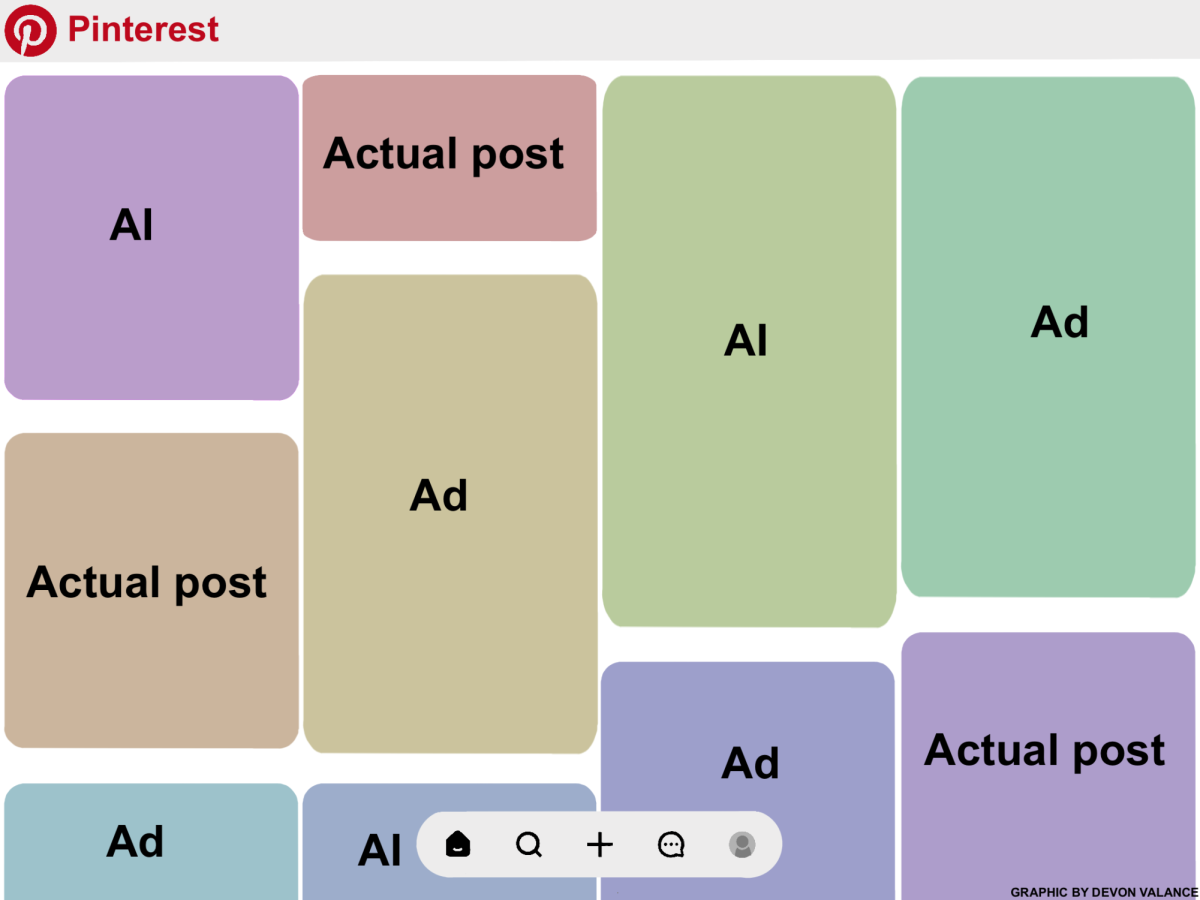
“Social media has changed how I look at news,” said junior Tazmeen Ahmed ‘27. “If I see something on Instagram, I’ll cross–reference it with other sources, but there’s a lot of AI these days. Sometimes people just make stuff up.”
More than half of U.S. teens regularly get news from social media, while traditional sources like newspapers and broadcast continue to decline, according to pewresearch.org. Researchers warn that misinformation thrives under these conditions. The U.S. Surgeon General’s 2023 advisory reported that viral posts often spread before credible sources can verify them and that algorithms tend to amplify emotionally charged content. During emergency events, AI—generated images and misleading claims can circulate widely before corrections appear.
“During the Palisades fire, there was this picture of the Hollywood sign on fire that was going viral,” said senior Ella Marina Wong ‘26. “Later, everybody found out it was AI. I wish these platforms would stop putting out fake news.”
Experts say part of the issue is the structure of short—form content itself. Brief videos leave little room for context, supporting evidence or nuance, according to Stanforduniversity.com. The convenience of social-media news is difficult to resist. Short videos appear instantly, often offering simplified explanations of political events or national issues. Furthermore, data shows that teens check their phones frequently throughout the day, meaning news reaches them in small, rapid bursts, according to pewresearch.org. While the presence of social media makes news more accessible to teenagers, it can come at a cost.
“Short—form content lacks the time to create the foundational evidence that’s being argued,” said Holloway. “So it’s almost entirely opinion—based. It makes the scene look one way, but if you look at the whole picture, it’s a different story.”
Mental-health researchers have also found that constant exposure to distressing news can increase stress in adolescents. Heavy social media use is linked with higher levels of anxiety and emotional exhaustion, according to the nationalhealthinstitute.com.
“It feels kind of dystopian,” Wong said. “A lot of people’s content is just about all the awful things going on in the world, and I feel overwhelmed trying to keep up with everything.”
Teachers at WHS are trying to provide students with tools to counter this influence. Students who practice lateral reading and source evaluation are significantly better at identifying misleading posts, according to newslit.org. Social media’s news is therefore noi a danger to students who practice critical thinking.
“Reading from a variety of trusted sources gives students a broader perspective,” Holloway said. “Students can enforce critical thinking by reading more intently and engaging with a variety of sources.”
Researchers say algorithmic feeds can limit exposure to differing opinions. Teens are more likely to receive content that reinforces their existing beliefs, creating what experts call “filter bubbles”, according to commonsensemedia.org. This can narrow political understanding and polarize students unintentionally.
“My social media is very biased toward my opinion,” Wong said. “I think it’s good to see both sides and see which you align with more, but that just doesn’t happen with the algorithm.”
Experts warn that these patterns have long-term consequences, according to aacap.org. Teens who rely too heavily on social media for information may struggle to recognize manipulation or fraud later in life. The behaviors practiced during adolescence will translate into behaviors in adulthood. Students who are able to read between the lines and ask questions while reading a social media post are more likely to succeed, according to snhu.edu
“For the future, it’s likely that students who lack critical thinking or rely too heavily on social media for news will be scammed,” Holloway said. “If you aren’t informed and don’t know how to think with a critical lens, it’s likely that you get taken advantage of.”
As social media continues to shape how teens understand the world, teachers and researchers agree that developing strong critical-thinking habits may be the most effective safeguard — and one that students will need long after they leave the classroom.
“News on social media can be great because of how accessible it is,” Said Ahmed. “But it’s easy to just scroll and become desensitized, instead of thinking critically and cross referencing.”